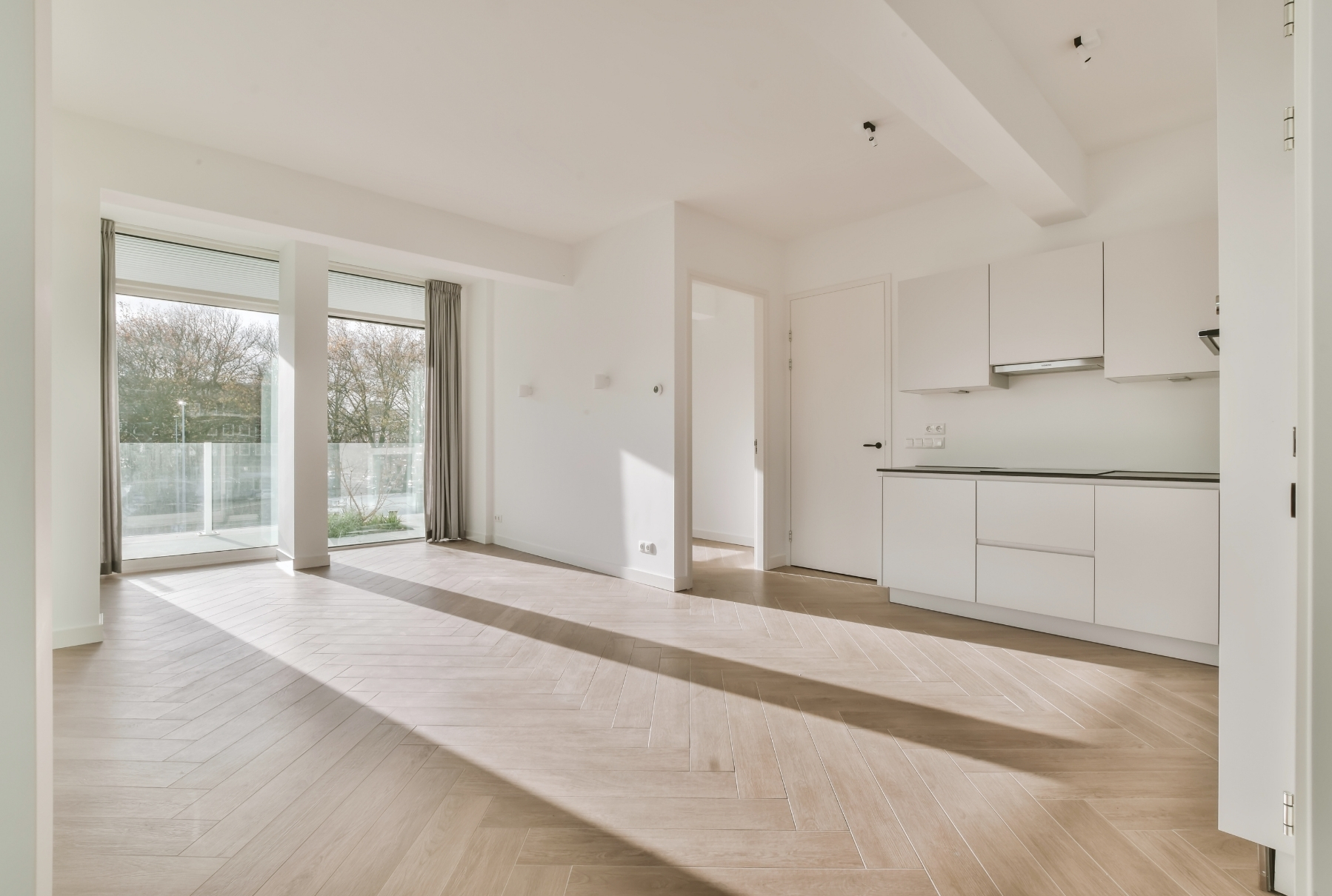
Designing your home for Ramadan is not about seasonal decoration. It is about creating an environment that supports how you live during the month — slower evenings, shared meals, reflection, and meaningful gatherings. For homeowners researching Ramadan interior design ideas, the most successful spaces are not the most decorated ones, but the most intentional.
Below is a practical, design-led guide to help you shape a Ramadan-ready interior that feels calm, welcoming, and quietly elevated.
1. Start With Atmosphere, Not Objects
When designing interiors for Ramadan, the priority is mood. The goal is to create a space that feels serene, grounded, and composed.
How to achieve it
Replace bright overhead lights with layered lighting: table lamps, wall lights, candles.
Choose warm color temperatures for a soft evening glow.
Reduce visual clutter to create mental calm.
2. Use Materials That Feel Calm and Tactile
Material selection plays a major role in how a space feels during Ramadan evenings.
Recommended finishes
Linen and cotton textiles
Brushed brass or matte metals
Natural wood tones
Ceramic or stone accessories
These finishes create a softer visual atmosphere ideal for gatherings and prayer.
3. Design Your Iftar Area as a Spatial Focal Point
During Ramadan, dining becomes ceremonial. The Iftar setting is not just a table — it is the emotional center of the evening.
Styling principles
Keep centerpieces low and minimal so conversation flows easily.
Use layered table linens for depth.
Add one warm accent element (lantern, candle cluster, or tray).
Avoid overcrowding the table. Hospitality is felt most when the space feels generous, not crowded.
4. Arrange Seating for Connection
Ramadan gatherings often last longer than usual evenings, so seating layout matters.
Best layout strategies
Use clustered seating instead of formal rows.
Incorporate movable stools or poufs for flexibility.
Keep pathways clear so guests can move comfortably.
Interior design that supports social flow always feels more welcoming.
5. Introduce Cultural Elements Through Principles, Not Motifs
Many people searching for Ramadan décor ideas assume they must add symbolic decorations. In refined interiors, cultural references are expressed through design logic instead.
Instead of themed décor:
Use rhythm in repetition (lantern grouping, cushions, arches).
Use balance rather than strict symmetry.
Use restraint rather than ornament.
This approach feels timeless, sophisticated, and authentic.
6. Prepare the Space for Hospitality Rituals
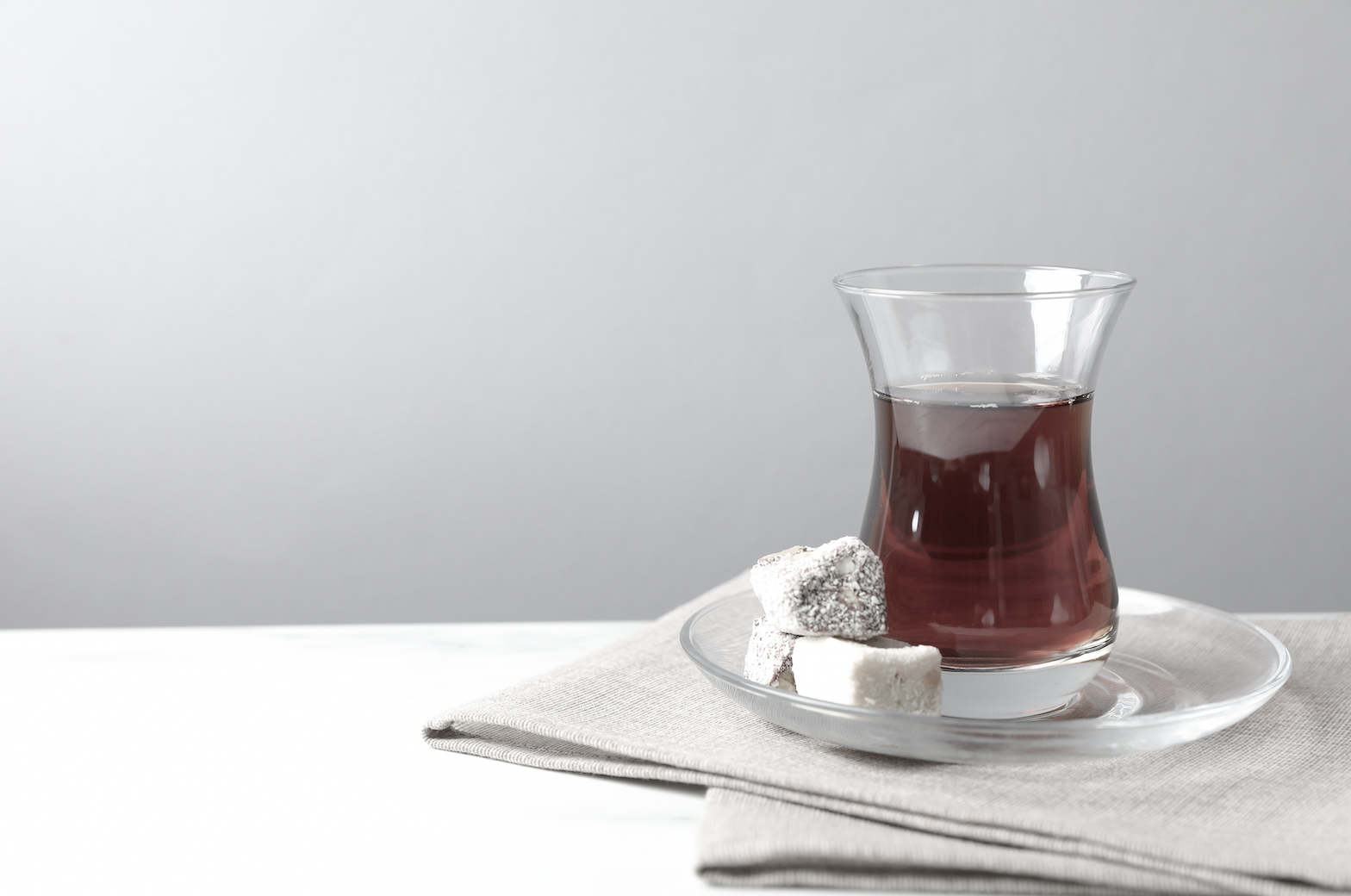
In Middle Eastern homes, serving coffee or tea is a gesture of welcome. Designing for Ramadan means anticipating these rituals.
Consider including:
A dedicated tray or serving surface.
Side tables near seating areas.
Easy access paths between kitchen and gathering space.
Design that anticipates behavior always feels more thoughtful than design that reacts to it.
Final Thought: Design That Honors the Month
The best Ramadan interiors do not announce themselves visually. They are felt in spaces that encourage presence and connection.
True luxury during Ramadan is not excess styling.
It is a design that listens to the spirit of the season and responds with quiet elegance.