Spatial Choreography in Commercial Interiors
In today’s commercial interior, brand identity extends beyond logos, colors, or messaging. It is experienced through space, movement, and atmosphere. Interior design plays a key role in shaping how a brand is perceived—often before a product is touched or a service is engaged.
At the center of this approach is spatial choreography—the deliberate design of how people move through a space. In commercial interior design, every step, pause, and transition is carefully considered to reveal the brand progressively. Rather than presenting everything at once, the space unfolds in layers, creating a more immersive and memorable experience.
Designers use spatial choreography to guide perception in subtle ways. Entry points can be emphasized or softened, thresholds expanded or compressed, and sightlines directed toward key elements. These decisions influence what users see first, what they discover next, and how they connect with the environment.
This process is inherently strategic.
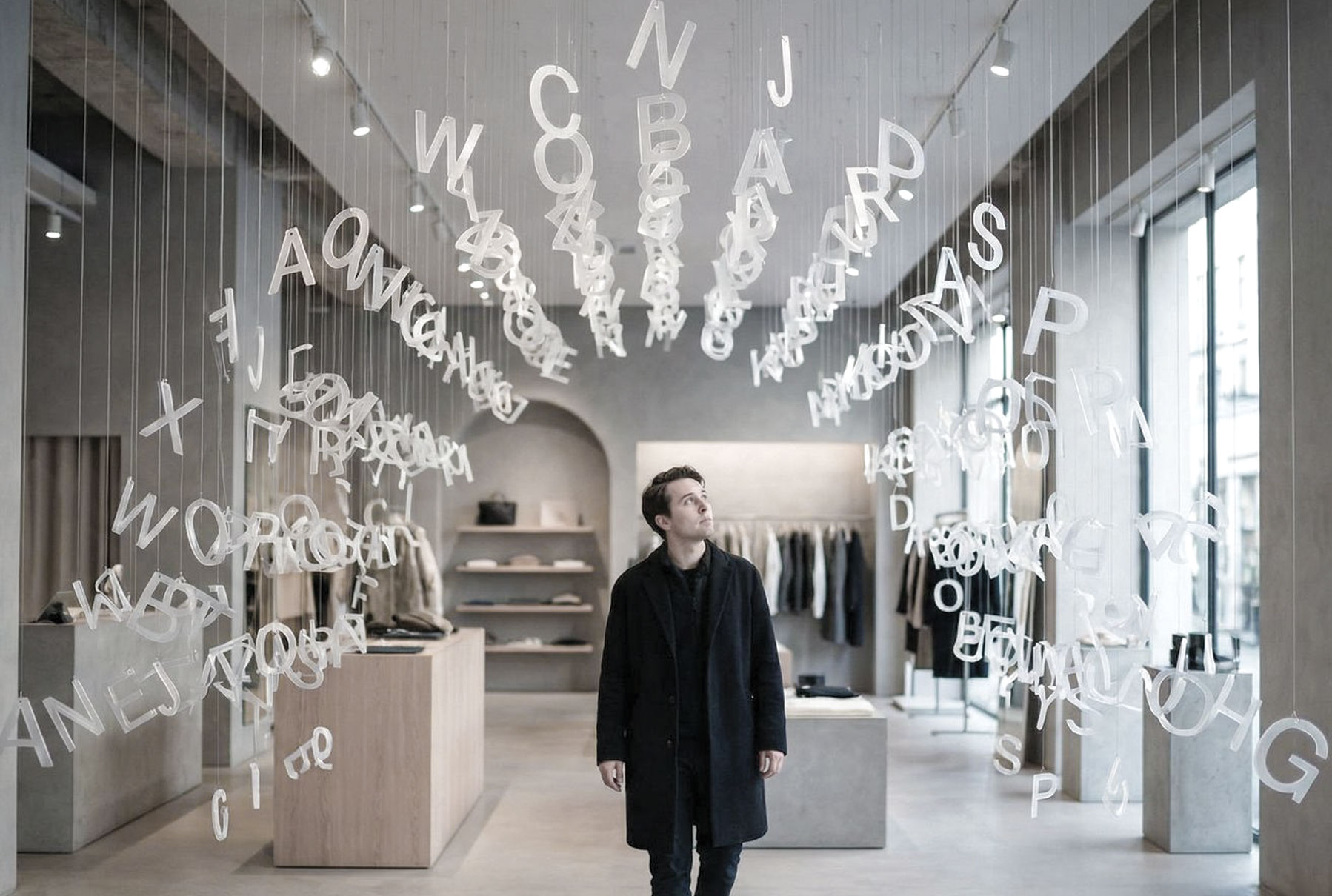
A compressed entrance that opens into a larger volume can create a sense of arrival and exclusivity. A partially concealed feature can build anticipation. Shifts in materials, lighting, or floor finishes can signal transitions between zones—such as public and private areas, or browsing and engagement spaces. These cues shape behavior without the need for explicit direction.
As a result, the customer journey feels intuitive.
Users move naturally through the space, pausing where intended and engaging with products within a curated context. The experience appears effortless, yet it is carefully aligned with the brand’s values. This is where interior design in commercial spaces becomes a direct extension of brand identity.
Different brands require different spatial strategies.
A refined brand may unfold slowly, using layered layouts, muted tones, and controlled lighting to encourage quiet exploration. A more dynamic brand may prioritize openness, visibility, and immediate impact. In both cases, the design of space defines how the brand is experienced and remembered.
What makes this approach powerful is its subtlety.
Unlike graphic branding, which communicates directly, spatial design operates on a sensory level. It influences how long users stay, where they focus, and how they interact. These small, cumulative moments shape a lasting impression of the brand.
For designers, this is both an opportunity and a responsibility.
Designing commercial interiors is not only about aesthetics or function—it is about shaping experience. It requires an understanding of movement, perception, and human behavior, alongside a clear interpretation of the brand. Layout, materiality, and lighting all contribute to a cohesive narrative.
When done well, the space no longer supports the brand—it becomes the brand.
At ARKEi, this role is approached with clarity and intention. As a responsible orchestrator, the studio designs commercial interiors in Dubai that are carefully choreographed, ensuring each space delivers a meaningful and brand-aligned experience