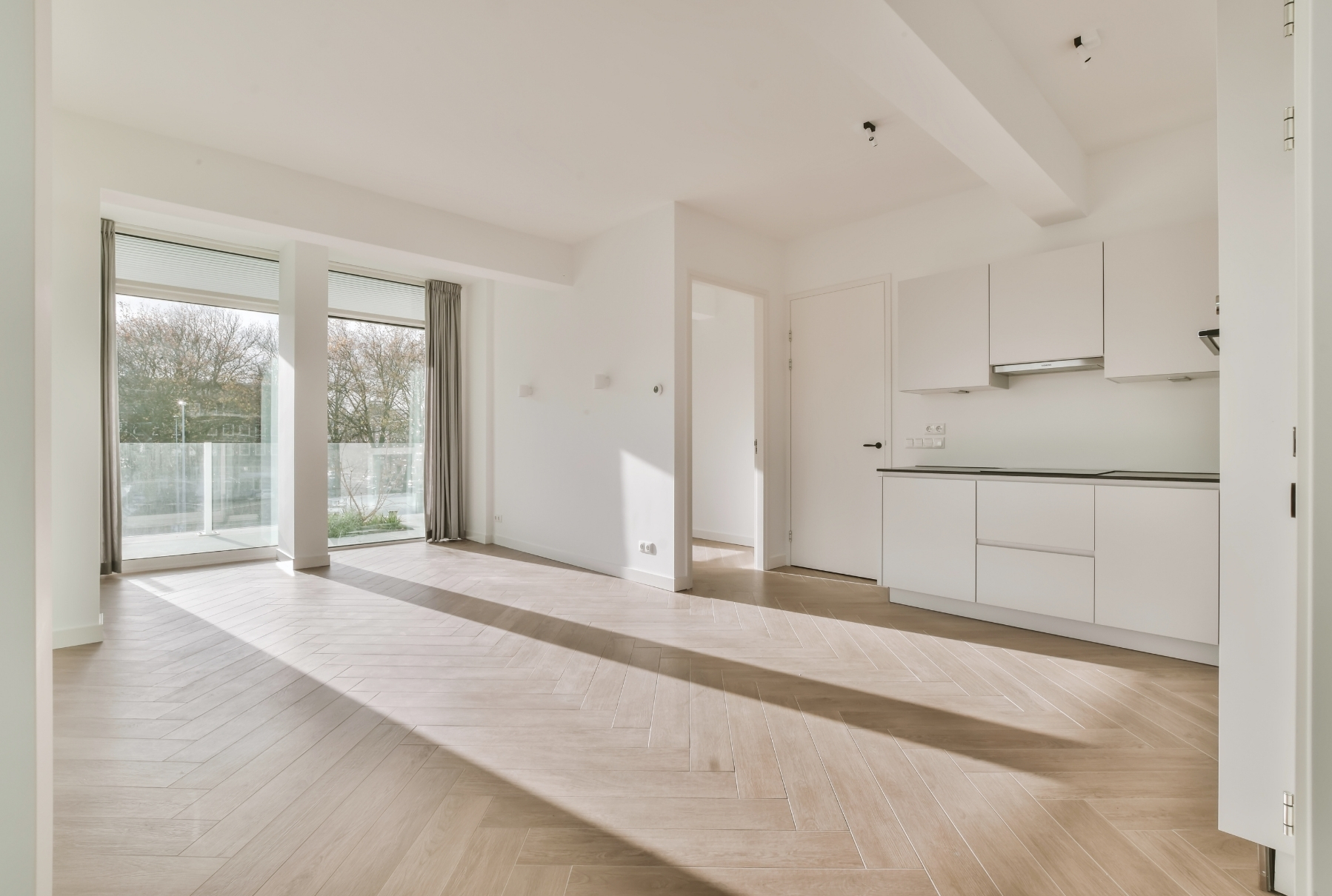
Good design rarely reveals its effort. What feels simple and inevitable is usually the product of careful planning, technical discipline, and countless decisions made out of sight. This sense of ease — the quiet confidence of a space that simply works — is never accidental. It is constructed through a rigorous interior design process that unfolds long before the final result becomes visible.
For homeowners, developers, and business owners considering professional interior design services, understanding this hidden dimension is essential. The true value of design lies not only in what you see, but in everything that has already been resolved.
Why Clients Only See the Final Result
Interior spaces are usually perceived only in their final state, long after the process that shaped them has concluded. Clients encounter the environment as a complete composition, not as the layered sequence of analysis, testing, and refinement that defined it.
This perception is natural. A well-designed interior should feel coherent rather than procedural. Yet behind that coherence lies a structured methodology — one that balances aesthetics, function, budget, technical constraints, and long-term performance. The more resolved a space is, the less effort it appears to require.
The Invisible Work Behind Design
Every refined interior rests on a foundation of professional decisions that rarely enter public view. These stages define the distinction between decoration and design, particularly within luxury interior design projects where precision is essential.
Spatial Planning
Before materials or furnishings are considered, the designer studies how the space will be lived in. Circulation paths, proportions, and spatial relationships are evaluated to ensure intuitive functionality.
Technical Drawings
Plans, sections, elevations, and detailed drawings translate ideas into buildable instructions. Contractors and fabricators rely on these documents to execute accurately. Without them, even the strongest concept cannot be realized faithfully.
Coordination with Contractors
Design is inherently collaborative. Designers communicate continuously with contractors, engineers, lighting specialists, and suppliers to maintain alignment between vision and execution. This coordination safeguards clarity across disciplines.
Revisions and Iteration
No design emerges fully formed. Proposals are reviewed, adjusted, and refined in response to constraints, discoveries, and client feedback. Revision is not correction; it is development. It is how ideas gain precision.
Sourcing and Specification
Material selection involves research, comparison, verification, and foresight. Availability, durability, maintenance, compatibility, and lead times must all align. A professional interior designer evaluates options not only for appearance, but for performance and longevity.
Budgeting and Cost Control
Design decisions carry financial implications. Responsible designers balance ambition with feasibility, guiding selections that maintain alignment with investment parameters. This discipline protects both vision and resources.
Site Supervision
During execution, designers review installations, verify dimensions, and resolve site conditions. Drawings anticipate much, yet construction always introduces variables. Oversight ensures that what is built reflects what was intended.
Why This Hidden Work Matters
Invisible work is not an accessory to design — it is what safeguards its success.
Spaces developed without rigorous planning often reveal shortcomings only after completion: awkward circulation, insufficient lighting, incompatible materials, or costly corrections. These challenges rarely stem from aesthetics; they arise from unresolved decisions.
A structured interior design process anticipates such risks. It identifies conflicts before installation, aligns technical requirements across trades, and tests ideas before they become permanent. The result is not only visual refinement, but operational integrity — environments that perform as well as they appear.
For clients, this translates into fewer surprises, fewer revisions, and greater confidence throughout the project.
What Separates Professionals from Hobby Designers
Visual taste alone does not constitute design expertise. While many individuals possess aesthetic sensitivity, professional interior designers bring additional competencies: technical literacy, regulatory awareness, construction knowledge, and project management expertise.
A trained designer understands building codes, ergonomic standards, lighting performance, installation tolerances, and sequencing. They know how drawings communicate with contractors, how budgets evolve, and how timelines intersect.
This distinction becomes especially significant in complex environments such as high-end residences, hospitality venues, or commercial interiors. In such contexts, hiring an interior designer is not merely a stylistic decision; it is a strategic one. In cities known for ambitious development — where interior design Dubai projects often set regional benchmarks — professional standards demand both creative vision and technical mastery.
Closing Reflection
In the end, the most successful interiors are those that never reveal the complexity behind them. They feel natural, resolved, and quietly certain — not because they were simple to create, but because every decision was considered long before it became visible. What appears effortless is rarely easy. It is designed — with care, clarity, and purpose.